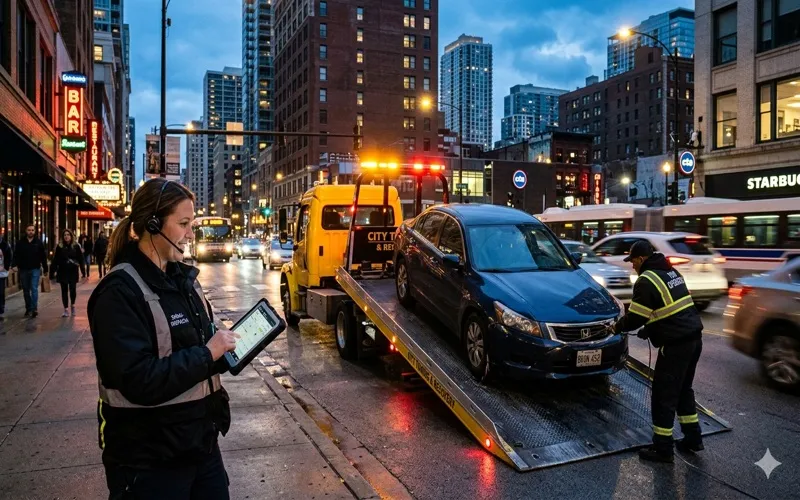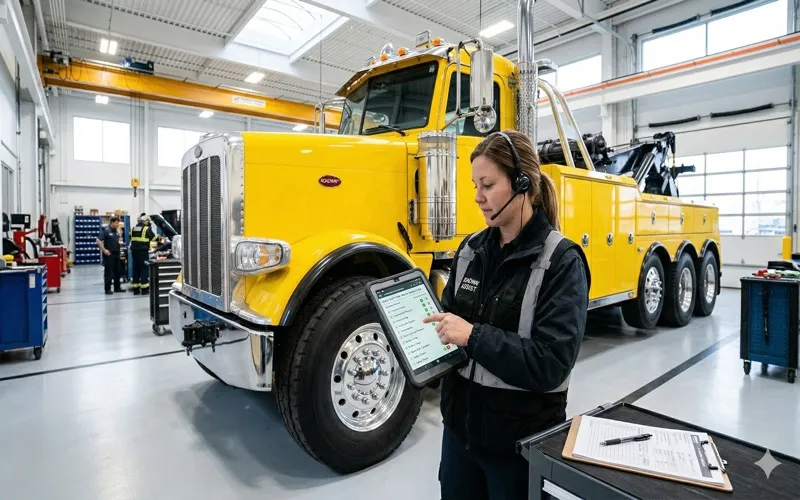
For years, GPS tracking in the towing industry meant expensive aftermarket hardware installed in every truck — devices that cost hundreds of dollars each, required professional installation, and came with monthly subscription fees. Today, the smartphone in every driver's pocket is a more capable GPS device than anything available five years ago.
Phone-Based GPS: No Hardware Required
Modern fleet management platforms use the driver's mobile app to transmit GPS coordinates at regular intervals. This approach has several advantages: zero hardware cost, no installation downtime, automatic updates with the operating system, and the ability to track drivers even when they switch vehicles. The accuracy of modern smartphone GPS is within 3-5 meters — more than sufficient for dispatch and routing.
Smarter Routing, Less Fuel
When dispatchers can see every driver's location in real time, they can assign the nearest available truck to each call. This seemingly simple optimization has a dramatic effect on fuel consumption. Companies that switch from manual dispatch to GPS-based assignment typically report fuel savings in the range of 15-25% within the first quarter. Over a year, across a fleet of 10 trucks, that can add up to thousands of dollars.
Accurate ETAs Build Customer Trust
"Your driver will be there in 20 minutes" means nothing if the customer waits 45 minutes. With real-time GPS, dispatchers can give customers an accurate ETA based on the driver's actual location and current traffic conditions. Some platforms even provide a live tracking link that customers can follow — similar to how Uber shows you your driver approaching.
Fleet Utilization Insights
GPS data isn't just about real-time tracking — it's a goldmine for operational optimization. By analyzing historical location data, you can identify which areas have the highest call volume, which times of day are busiest, and where to position drivers during peak hours. You can also identify idle time, unauthorized detours, and inefficient routing patterns.
Navigation Integration
The best fleet tracking solutions integrate directly with navigation apps. When a driver accepts a job, they can launch Google Maps, Apple Maps, or Waze with a single tap — getting turn-by-turn directions that account for real-time traffic, road closures, and construction zones. This reduces wrong turns and gets your driver to the scene faster.
The Competitive Edge
In an industry where response time directly impacts revenue and customer retention, GPS tracking is no longer optional. The companies that can consistently arrive faster, provide accurate ETAs, and optimize their fleet utilization will win the market. And with phone-based tracking, the barrier to entry has never been lower.